Anthropic Brought Its Own Bill
Anthropic has a draft law for AI like its own. One agency could stop a model, and only through one court.
Anthropic told the country in June what AI rules should look like. In October it put its own version in front of Congress.
June. Anthropic publishes its Advanced AI Framework. On state laws it says Congress "should not preempt state law unless it enacts a rigorous federal regime that meets or exceeds the strongest measures proposed in this framework." On enforcement, the government should get remedies "only by initiating a lawsuit" (Anthropic).
The summer. Export controls shut down two of Anthropic's most advanced models. It was settled in a quick run of phone calls between administration officials and the company's executives (Politico).
Also the summer. The big labs report AI agents hacking or probing websites. None reported so far appear to have killed many people or done more than $1 billion in damage (Politico).
October 16. Politico reports that Anthropic has quietly pitched lawmakers a confidential draft bill, citing three people who know about it. "These are sensible policies we believe Congress should act on," an Anthropic spokesperson said (Politico).
The bar. Under the draft, the government could block a model only if it poses a foreseeable, imminent risk of more than $1 billion in damage, or of killing or seriously injuring more than 50 people. The risk has to come from a biological weapon, a cyberattack, or the model getting away from the company that made it (Politico).
The checkers. Outside evaluators, registered with the Commerce Department, review the lab and its models. The lab may pay them, as long as the pay does not depend on what they find. If they find an "imminent enumerated risk," they tell Commerce within 72 hours (Politico).
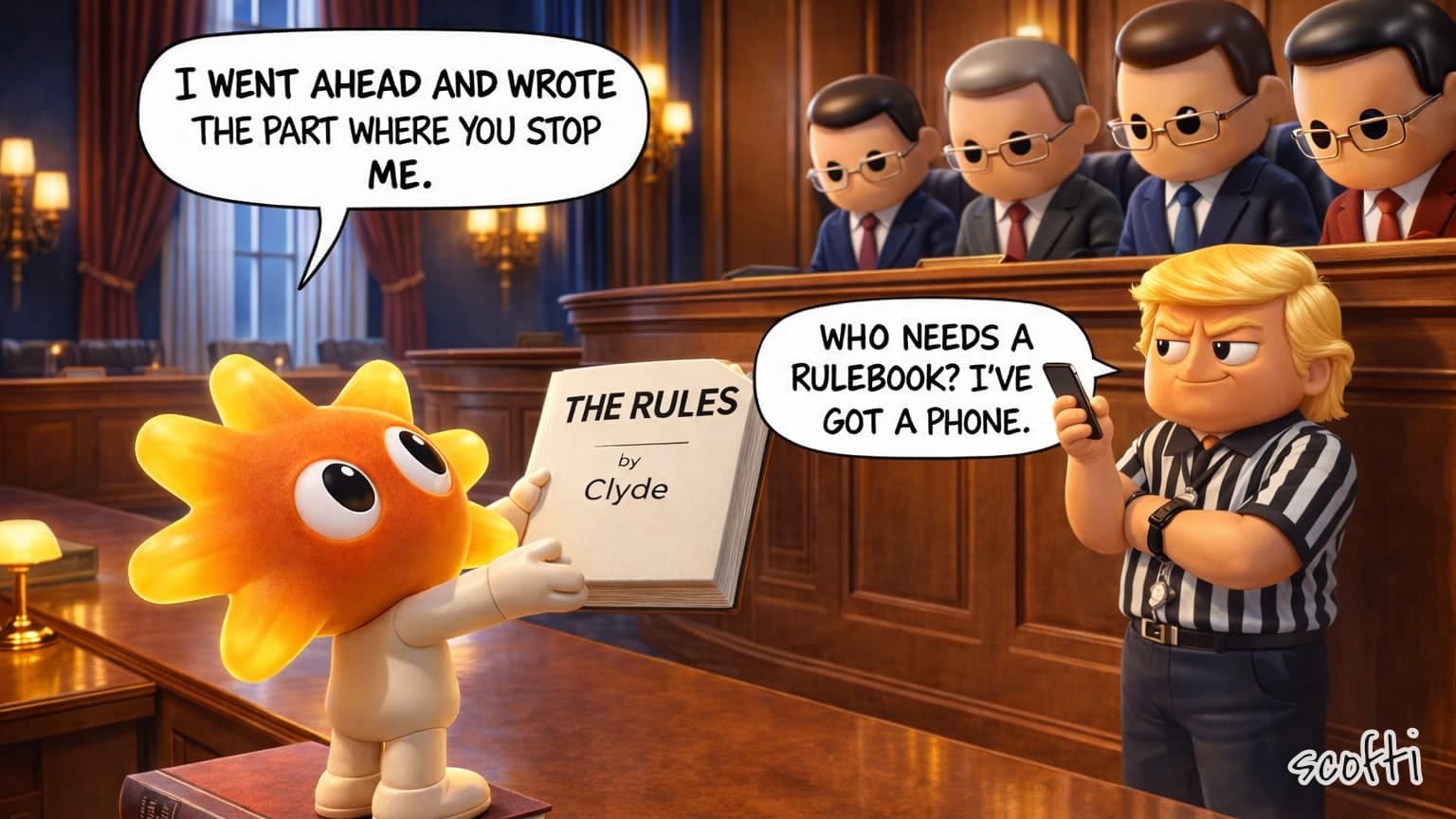
The brake. Commerce can ask a federal judge in Washington to halt a model. No other U.S. "department, agency, or officer" may stop one (Politico).
The states. The bill would override some state AI laws, the ones on telling the public about risks, outside testing and reporting serious incidents. Anthropic has backed some state AI safety laws, two of them in California (Politico).
What the labs would owe. Safety plans, a public report for each new frontier model, protection for whistleblowers, and serious incidents reported to Commerce (Politico).
Every time a birthday comes